
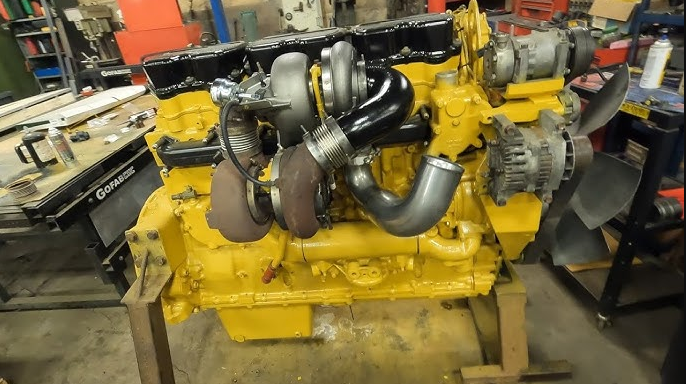
For fleet managers and heavy equipment operators, a machine sitting idle in the dirt isn’t just a nuisance—it is a direct hit to the bottom line. In the world of diesel performance, the turbocharger acts as the lungs of the engine. When it fails, the engine suffocates, power drops, and fuel consumption spikes.
Because Caterpillar machinery is often deployed in the most punishing environments—from dusty quarries to humid construction sites—the turbocharger is subject to extreme thermal stress and contaminant wear. Knowing how to spot the early warning signs of failure can mean the difference between a simple component swap and a catastrophic engine overhaul.
Identifying the Red Flags of Turbo Failure
A turbocharger rarely fails without warning. Most operators ignore the subtle shifts in performance until the machine completely shuts down on a job site. To avoid unplanned downtime, watch for these specific indicators.
Unexpected Power Loss and Sluggish Response
If your operator reports that the machine is struggling to pull a full load or is responding slowly to throttle inputs, the turbo is likely the culprit. A worn-out turbine or a leaking seal reduces the amount of compressed air entering the combustion chamber. This results in a lower air-to-fuel ratio, meaning the engine cannot produce its rated horsepower.
The “Blue Smoke” Signal
Exhaust color is one of the most reliable diagnostic tools for a diesel mechanic. While black smoke typically indicates a fuel-rich mixture or a clogged filter, blue or grayish smoke often points to oil leaking past the turbocharger seals. When oil enters the exhaust stream or the intake manifold, it burns, creating a distinct blue haze. If left unchecked, this can lead to “engine runaway,” where the engine begins to feed on its own lubricating oil, potentially leading to total engine failure.
Abnormal Auditory Cues
A healthy turbo has a distinct whistle, but a “scream” or a metallic grinding sound is a cause for alarm. High-pitched whining often indicates a boost leak or a failing bearing. If you hear a grinding noise, the compressor wheel may be making contact with the housing—a sign that the bearings have failed and the shaft is wobbling.
Maintenance Strategies to Extend Turbo Life
Replacing a cat turbo is a significant investment, but the cost of premature replacement is usually the result of poor maintenance habits. Implementing a strict protocol for the following three areas can double the lifespan of your forced induction system.
Oil Quality and Thermal Management
The turbocharger spins at tens of thousands of RPMs and operates at extreme temperatures. It relies entirely on a thin film of clean oil for lubrication and cooling. Contaminated oil acts like sandpaper on the bearings.
Furthermore, “thermal shock” occurs when an operator shuts down a hot engine immediately after a heavy load. This causes the oil remaining in the turbo to “coke” or burn into solid carbon deposits, blocking oil flow. Encouraging operators to allow a three-to-five minute cool-down period at idle before shutdown is the simplest way to prevent bearing failure.
Air Filtration Integrity
Dust and grit are the primary enemies of the compressor wheel. A single piece of debris entering the intake can nick a blade, upsetting the balance of the turbine. Once the balance is off, vibration increases, and the bearings fail rapidly. Ensure that air filters are replaced according to the manufacturer’s schedule and that intake piping is checked for cracks or loose clamps that could allow “unfiltered” air to bypass the filter.
Monitoring Boost Pressure
Regularly checking the boost pressure ensures the system is operating within its design parameters. A drop in boost often indicates a leak in the charge air cooler (CAC) or the piping. Forcing a turbo to over-spin to compensate for a leak in the plumbing will lead to premature wear and eventual burnout.
Choosing Between Repair and Replacement
When a turbo fails, fleet managers face a choice: rebuild the unit or replace it entirely.
Rebuilding is an option for minor seal leaks or bearing wear, provided the housings (the volute) are still in good condition. However, if the compressor wheel is damaged or the shaft is scored, a full replacement is the only viable path. Given the precision required in the balancing of these components, installing a high-quality, factory-spec replacement is generally the safer bet for those who cannot afford the risk of a second failure.
By shifting from a reactive “fix it when it breaks” mindset to a predictive maintenance strategy, you can ensure your equipment stays in the field and out of the shop. Monitoring exhaust color, enforcing cool-down periods, and maintaining air filtration are the most cost-effective ways to protect your engine’s performance.
