
Introduction
A vehicle’s performance depends on many components working together seamlessly, and one of the most essential among them is the battery. Without a functioning battery, your car simply won’t start, and even basic electrical systems such as lights, infotainment, and climate control will fail. That’s why understanding car battery replacement is crucial for every vehicle owner.
Whether you are a beginner driver or someone with years of experience, there comes a time when your battery needs to be replaced. Ignoring warning signs can leave you stranded at the worst possible moment. This detailed guide will walk you through everything you need to know about car battery replacement, including how batteries work, signs of failure, replacement steps, costs, maintenance tips, and frequently asked questions.
By the end of this blog, you will have a complete understanding of when and how to perform a car battery replacement, helping you save time, money, and unnecessary stress.
Understanding How a Car Battery Works
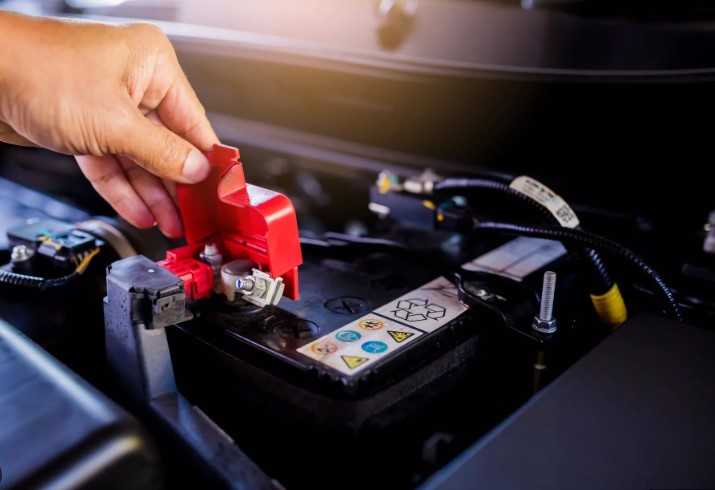
Before diving into car battery replacement, it’s important to understand the role of a car battery. A car battery provides the electrical energy required to start the engine. It also powers all electrical systems when the engine is off and supports them when the engine is running.
Most vehicles use lead-acid batteries, which store energy through a chemical reaction between lead plates and sulfuric acid. When you turn the key or press the start button, the battery sends a surge of power to the starter motor, initiating engine ignition.
Over time, the chemical reactions inside the battery weaken, reducing its ability to hold a charge. This is when car battery replacement becomes necessary.
Signs You Need a Car Battery Replacement
Recognizing early warning signs can prevent sudden breakdowns. Here are the most common indicators that you may need a car battery replacement:
1. Slow Engine Crank
If your engine takes longer than usual to start, it’s a clear sign your battery is losing power.
2. Dim Headlights
Weak or flickering headlights often indicate insufficient battery charge.
3. Electrical Issues
Malfunctions in power windows, radio, or dashboard lights can signal battery problems.
4. Warning Light
Most modern cars have a battery warning light on the dashboard.
5. Corroded Terminals
Visible corrosion around battery terminals can affect performance.
6. Old Battery
If your battery is more than 3–5 years old, you should consider a car battery replacement even if it appears to be working fine.
How Often Should You Replace a Car Battery?
The frequency of car battery replacement depends on several factors, including driving habits, weather conditions, and battery quality. On average, a car battery lasts between 3 to 5 years.
In hotter climates, batteries tend to wear out faster due to increased chemical activity. Frequent short trips can also reduce battery life because the battery doesn’t get enough time to recharge fully.
Regular inspections can help you determine the right time for car battery replacement before failure occurs.
Steps for Car Battery Replacement
Replacing a car battery is a relatively straightforward process if done carefully. Here’s a step-by-step guide to performing a safe car battery replacement:
Step 1: Turn Off the Engine
Ensure the car is completely turned off and the keys are removed.
Step 2: Locate the Battery
Open the hood and identify the battery’s position.
Step 3: Disconnect the Negative Terminal
Always remove the negative cable first to prevent electrical short circuits.
Step 4: Disconnect the Positive Terminal
After removing the negative terminal, disconnect the positive one.
Step 5: Remove the Battery
Carefully lift the battery out of its tray. Batteries are heavy, so handle them with care.
Step 6: Clean the Terminals
Remove any corrosion using a cleaning solution or brush.
Step 7: Install the New Battery
Place the new battery in the tray and secure it properly.
Step 8: Reconnect the Terminals
Attach the positive terminal first, followed by the negative terminal.
Step 9: Test the Battery
Start the engine to ensure the car battery replacement was successful.
Types of Car Batteries
Choosing the right battery is an important part of car battery replacement. Here are the main types available:
1. Lead-Acid Batteries
These are the most common and affordable option.
2. Absorbent Glass Mat (AGM) Batteries
AGM batteries offer better performance and durability but are more expensive.
3. Lithium-Ion Batteries
Used mainly in electric vehicles, these batteries are lightweight and efficient.
4. Enhanced Flooded Batteries (EFB)
These are designed for vehicles with start-stop technology.
Selecting the right type ensures a successful and long-lasting car battery replacement.
Cost of Car Battery Replacement
The cost of car battery replacement varies depending on the battery type, brand, and vehicle model.
| Battery Type | Average Cost (INR) | Lifespan | Suitable For |
|---|---|---|---|
| Lead-Acid Battery | 3,000 – 6,000 | 3–4 years | Standard vehicles |
| AGM Battery | 7,000 – 15,000 | 4–6 years | High-performance vehicles |
| Lithium-Ion Battery | 20,000+ | 6–10 years | Electric vehicles |
| Enhanced Flooded Battery | 5,000 – 10,000 | 4–5 years | Start-stop vehicles |
Labor charges may add to the total cost if you opt for professional installation.
DIY vs Professional Car Battery Replacement
When considering car battery replacement, you can either do it yourself or hire a professional.
DIY Replacement
- Cost-effective
- Requires basic tools
- Suitable for experienced users
Professional Replacement
- Convenient and quick
- Reduces risk of errors
- Ideal for modern vehicles with complex systems
Choosing between the two depends on your comfort level and technical knowledge.
Tips to Extend Battery Life
To delay the need for car battery replacement, follow these practical tips:
- Avoid leaving lights or electronics on when the engine is off
- Drive your car regularly to keep the battery charged
- Keep battery terminals clean
- Avoid frequent short trips
- Protect the battery from extreme temperatures
These habits can significantly extend battery life and reduce the frequency of car battery replacement.
Common Mistakes to Avoid
During car battery replacement, people often make mistakes that can lead to issues. Here are some to watch out for:
- Connecting terminals in the wrong order
- Using the wrong battery size or type
- Ignoring corrosion
- Not securing the battery properly
- Skipping safety precautions
Avoiding these mistakes ensures a safe and effective car battery replacement process.
Environmental Impact and Recycling
Car batteries contain hazardous materials, so proper disposal is essential. Most service centers and battery retailers accept old batteries for recycling.
Recycling helps reduce environmental damage and supports sustainable practices. Always ensure that your old battery is disposed of responsibly after a car battery replacement.
Importance of Regular Battery Checks
Routine inspections can help you identify problems early and avoid unexpected breakdowns. Checking voltage, terminal condition, and overall battery health can give you a clear idea of when a car battery replacement is needed.
Preventive maintenance is always better than dealing with emergencies on the road.
FAQs About Car Battery Replacement
1. How long does a car battery replacement take?
A: A typical car battery replacement takes around 15 to 30 minutes.
2. Can I drive immediately after replacing the battery?
A: Yes, you can drive right after a successful car battery replacement.
3. What happens if I don’t replace a failing battery?
A: Ignoring the need for car battery replacement can lead to sudden breakdowns and electrical failures.
4. Do I need to reset my car after replacing the battery?
A: Some vehicles may require resetting electronic systems after car battery replacement.
5. Is it safe to replace a car battery at home?
A: Yes, if you follow proper safety steps, car battery replacement can be done at home.
6. How do I choose the right battery?
A: Check your vehicle manual and ensure compatibility when planning a car battery replacement.
Conclusion
A reliable battery is the backbone of your vehicle’s electrical system, making car battery replacement an essential aspect of car maintenance. Understanding how batteries work, recognizing warning signs, and knowing the correct replacement process can save you from inconvenient breakdowns and costly repairs.
Whether you choose to handle the process yourself or rely on a professional, being informed ensures that your car battery replacement is done safely and efficiently. Additionally, adopting good maintenance habits can extend battery life and improve overall vehicle performance.
In the long run, proactive care and timely car battery replacement not only enhance reliability but also contribute to a smoother and more stress-free driving experience. By staying prepared and informed, you can ensure your vehicle remains dependable whenever you need it.
Read More:- Car Battery Charger: Complete Guide for Every Vehicle Owner
